

Oud, or Pain Transformed into Beauty

Oud, or Pain Transformed into Beauty
They stretched out like valleys, like gardens by the riverside,
like aloes planted by the Lord, like cedars beside the waters…
“Numbers 24:6”
It was first mentioned more than 3,500 years ago. Every culture breathes its essence, every religion speaks its name. Its titles vary and grow rich with legend: aloe wood, the tree of paradise, gaharu, agarwood, aquilaria, oud.
What gives birth to pain? Fear, oppression, despair, resentment, hatred. And yet, an ordinary mollusk in its humble shell transforms a grain of sand, wounding its tender flesh, into a pearl. The agar tree, hidden in the shadows of tropical forests, gives birth to oud—a resin valued more than gold. It is astounding how nature responds to pain: some wither, some harden, but others create something so perfect it becomes a symbol of transcendence.
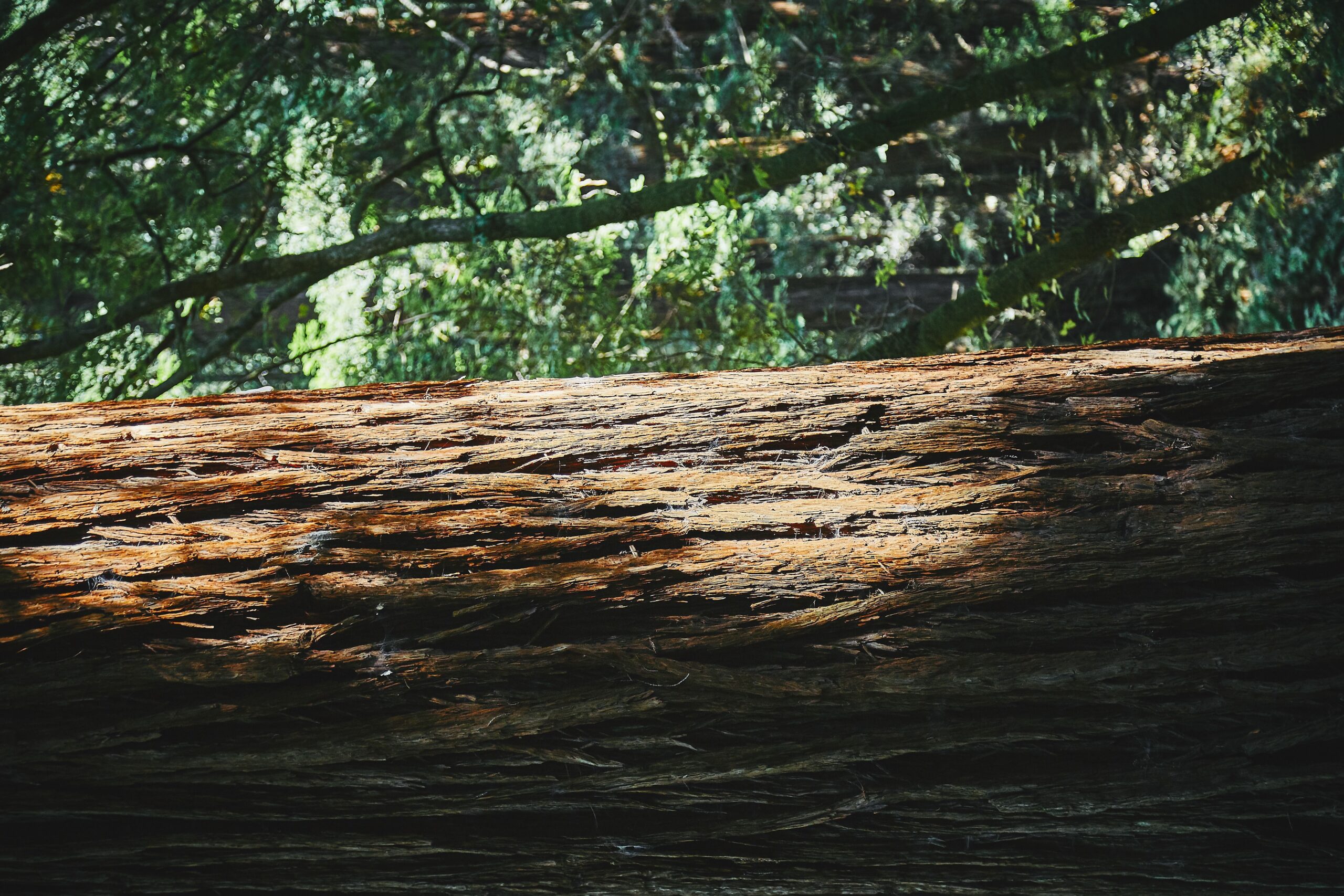
When the agar tree falls ill or suffers damage, its inner fibers begin to slowly saturate with resin. This process takes years, sometimes decades. The aquilaria cannot heal itself, but it prolongs its life. Only when the tree dies and collapses do humans uncover its fragrant core, steeped in oud—dark, viscous, with a scent of ancient temples, damp earth, and echoes of times long past.
Oud is the fragrance of pain transformed into beauty. Its woody, smoky, and spicy accord, laced with a hint of sweetness, has captivated hearts for centuries. In Ancient Egypt, it was burned in temples as a bridge between the physical and the divine. In China, philosophers wrote treatises on the art of savoring its aroma. And in Arabia, oud was considered a gift from paradise: added to water to purify it or burned in tents to protect the family and home from evil.
Each land lends its oud a distinct character. In Laos, it is spicy and slightly bitter, like the memory of hard labor. In Cambodia, it is soft and enveloping, like the hush of an evening prayer. In India, it is dense and resinous, with sharp, almost medicinal notes.
Its price is high, and not without reason. Each tree carries a unique story of enduring fate. Today, humans try to cultivate agarwood on plantations, artificially infecting it with fungus. Yet oud born under control can never compare to that which grows wild, nourished by rain, wind, and time.
Oud, like the pearl, is a tale of pain transformed into immortality. Not everyone can endure the blows of fate. But those who do leave behind something truly extraordinary.
This is an ancient temple from the pages of The Jungle Book, swallowed by the jungle, its human grandeur lost and clothed in the wild symbolism of nature. Where once the air was filled with the scents of incense, now reigns the fragrance of perilous greenery and tropical rain.