
Coumarin and Tonka Beans

Coumarin and Tonka Beans
The road to the tree begins with a scent—wet, sweetish-decaying, like warm leaves after a rain.
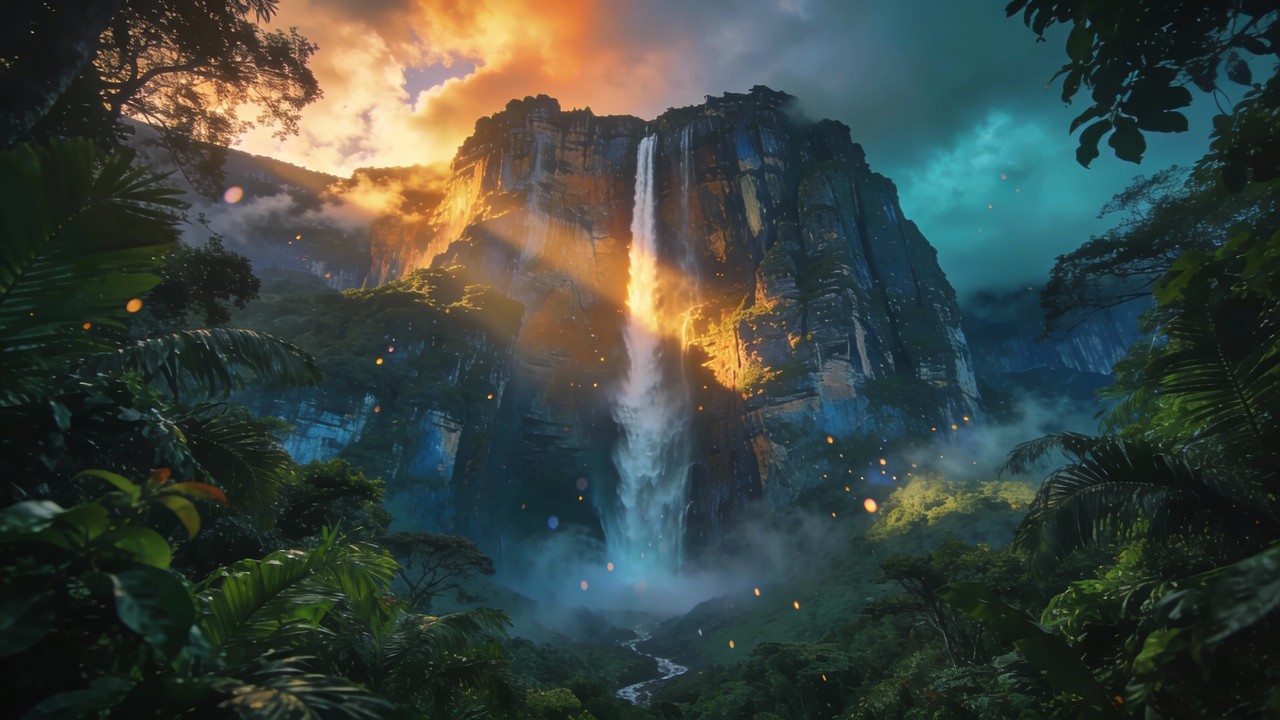
Dipteryx punctata is found in Venezuela, northern Brazil, and Guyana. It grows in isolation. More rarely in pairs, occasionally in small clusters, if the spot has been favored by nature. It rises up to thirty-five meters—nearly twelve stories high.
Its wood is dense, almost like stone, and highly valuable. Only one thing saves these trees from logging: the world’s fascination with coumarin. Coumarin is its defense, its curse, its glory.
Each tree is marked with a GPS tag—the single thread tying it to the modern world. Everything else around it feels eternal: the heavy air, the drone of insects, the aroma of damp bark.
The fruits are gathered by hand by Indigenous and Creole people. They are called sarrapieros—the bean harvesters. Many are descendants of enslaved people and rubber tappers, the very people whose labor once made Manaus flourish as the rubber capital of the late nineteenth century. Then the British arrived, smuggling Hevea saplings to Malaysia, and the Amazon fell into ruin.
Yet here, amid green hills and stifling air, life endures.
The fruit of the Dipteryx is covered in a tough skin. Inside lies a grassy green pulp, a favorite of parrots, and at its heart sits a smooth, light brown kernel, two to three centimeters long. This is the tonka bean. It is cracked open using a stone mallet—the mano de piedra.
It is a polished stone, quite heavy. Without experience, one could easily crush their fingers. Once the harvest season ends, the mallet is buried at the roots of the tree, only to be dug up the following year. This is how tradition is kept, how they speak with the forest.
Evening falls quickly in the Amazon. The air grows dense, and the cries of birds and monkeys cut through it like warm butter. In the dark, the air smells of smoke and sweat.
Tomorrow brings a new day of harvesting, but for now, the sarrapieros sleep in their hammocks.
The beans are gathered into palm-leaf baskets. A full basket weighs up to seventy kilograms.
The people do not complain. A single week of this labor can buy a bicycle. They smile when they tell you this, as if speaking of happiness itself, deeply protective of their independence: though they have adopted a settled life, they remain free children of the jungle, living by hunting, foraging, and absolute oneness with nature.
The harvest has been organized since the 1870s, though “organized” is a poor word for the caprices of nature.
The tonka tree does not bloom every year. Sometimes it falls silent for seasons at a stretch, only to suddenly bestow thousands of fruits. Its flowers are lilac, resembling clusters of hyacinths. In bountiful years, they blanket the forest canopy; in lean ones, the tree closes up, as if harboring resentment against humankind for the brutal deforestation of the Amazon.
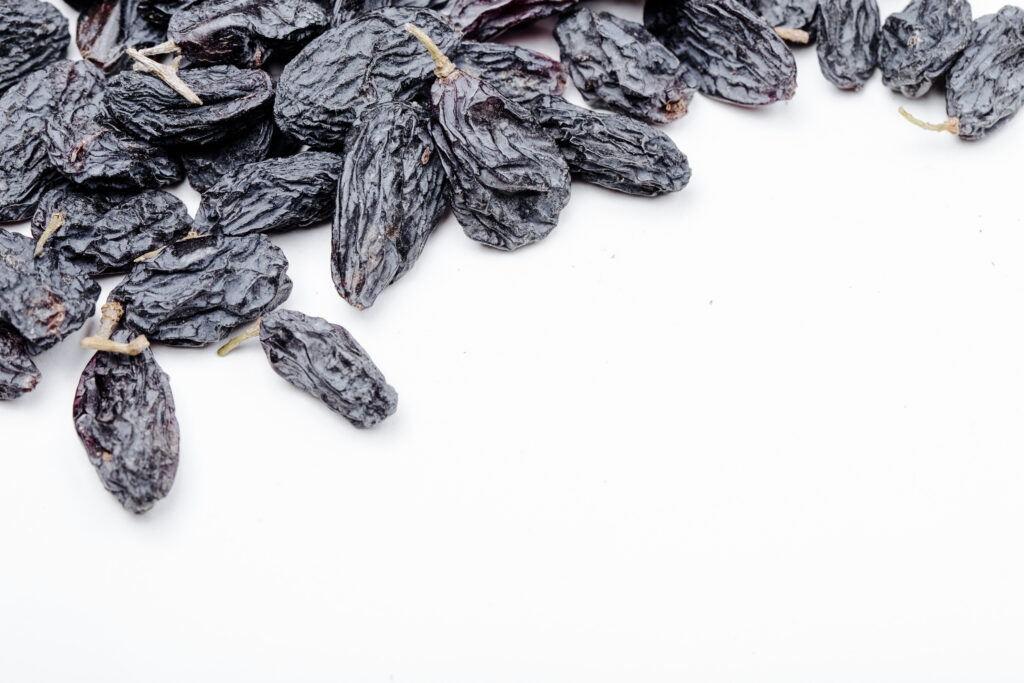
Once the fruits fall, they are cracked open and dried in the shade. Then they are soaked in rum or water to awaken the crystals. After a few days, a white coating appears on the surface, thin as frost. This is the mark of true quality.
In the past, to evade taxes, merchants would tie bags of beans to the bottoms of boats. Weeks spent submerged turned the beans black, wrinkling their skin and softening the scent into a rich praline. Later, they began transporting the beans in barrels of rum to render them infertile, preventing a repeat of the stolen Hevea history. The rum itself would then carry the scent of vanilla and almonds, causing its price to soar.
From these beans, chemists extracted coumarin—a substance with a dense vanilla-caramel profile. In trace amounts, it evokes hay and freshly cut grass.
It does not dissolve in water, but its lactonic relatives in perfumery recall coconut oil and sweet cream. Coumarin was once added to desserts and beverages, and used to flavor tobacco. In Soviet cigarettes, for instance, its content reached up to 1.2 grams per kilogram of raw tobacco.
While it may not have been the absolute first synthetic component, it was certainly in the vanguard.
In 1868, William Henry Perkin synthesized coumarin chemically for the first time. This was a fateful turning point in fragrance history.
In 1882, Paul Parquet created Fougère Royale for Houbigant—the landmark scent that established the fougère genre, built entirely around the mossy-green theme of mown grass. Coumarin was its beating heart.
Then came the restrictions. Coumarin was deemed treacherous. It was banned in culinary arts and restricted to 1.6% in fine fragrance. Yet this only solidified its status: today, it lives on in nine out of ten modern perfumes.
As the sun rises over the Amazon, fog crawls among the roots. Beneath the majestic tree, the mano de piedra lies waiting for the next season and the industrious hands that will once more draw out the aroma that birthed the fougère era.