


Above Scylla’s Lair, or the Calabrian Bergamot

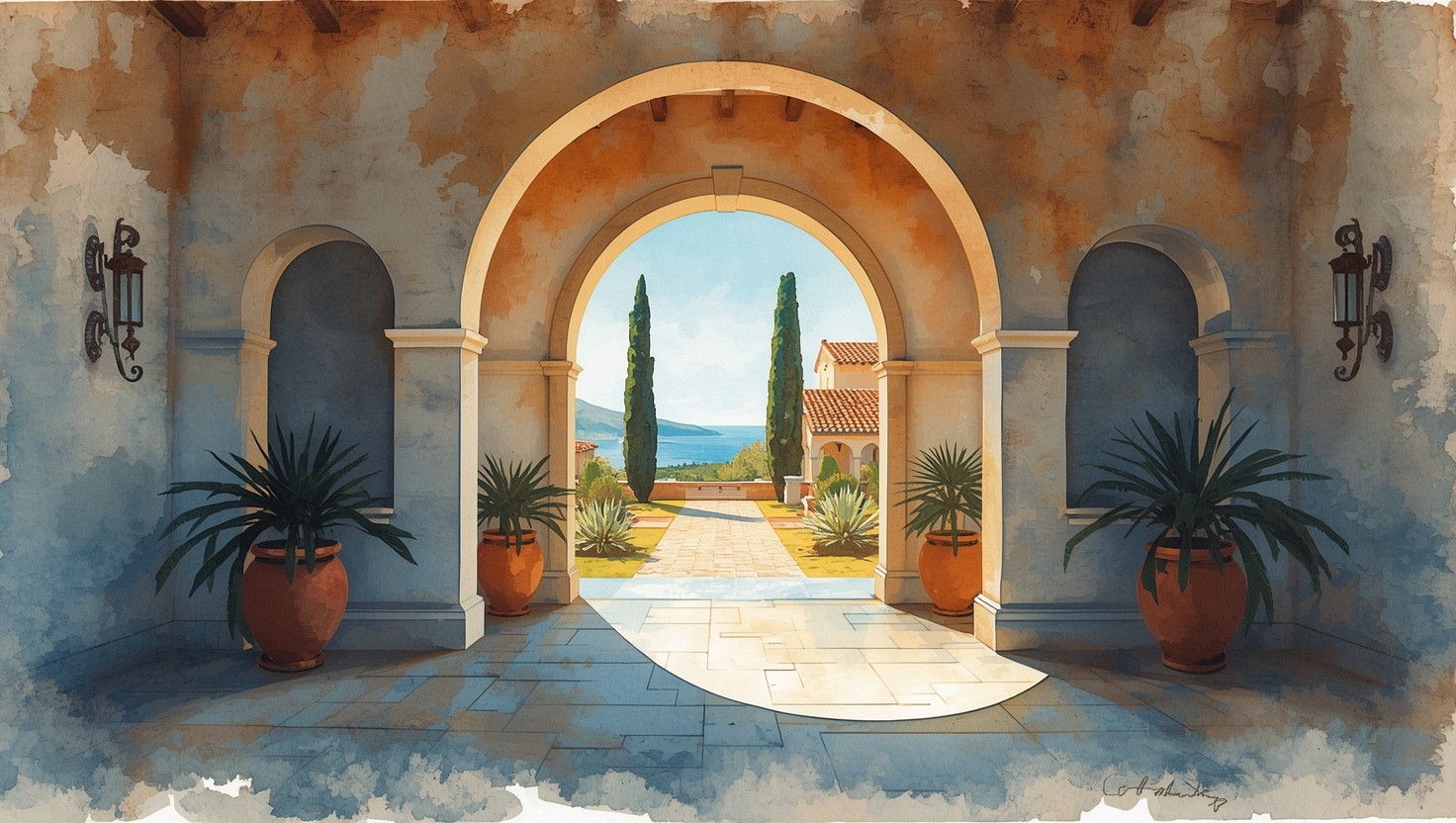
Above Scylla’s Lair, or the Calabrian Bergamot
This is a place where time breathes. It descends softly from the mountains to the sea, weaving itself through olive groves and citrus orchards. It knows you; it knows your dreams and your doubts. It is ready to tell its tale, but only to those who are willing to listen.
Calabria. Ancient and wise, she once offered sanctuary to those whom no other land would accept. Among her cliffs, Scylla found a home—the ancient beauty with hair the color of the dark sea, transformed by a jealous goddess into a restless, six-headed beast fated to blind rage. Calabria took pity on her, hiding her within the coastal crags and granting her a protector against the outside world: Charybdis, as restless as the storm itself. She tamed her as one tames a tempest, holding her on a short leash, patiently and tenderly quenching her fire. While Charybdis roared, swallowing waters and ships alike, Calabria whispered to her in an ancient tongue. And herein lies the paradox: Charybdis never touched the locals.
Odysseus was no local. Having slipped away from the insistent Circe, he bypassed Charybdis but sacrificed six warriors to the vengeful Scylla. Calabria, in all her tender femininity, held no mercy for the stubborn pride of man. She was moved neither by his wisdom nor his bravery. She allowed him to sail past toward Sicily, but she never let him near her shores.
By the narrow strait we sailed, and in our hearts were lamentations;
Scylla was on this side, and on the other, Charybdis,
Invoking terror, swallowed the salty water of the sea.Homer, “The Odyssey”
Some say Reggio was founded by Greeks from Chalcis seven centuries before our era; others believe the city was a gift from the gods themselves, fashioned at the crossroads of the winds where the Ionian Sea meets the Tyrrhenian. They say the gods once walked its streets among mortals, and at night, the silence was broken only by the songs of the sirens.
Three hundred years later, the tyrant Dionysius seized the city, forcibly resettling its people in Syracuse. The sea grew orphaned, its waves washing against the walls of a ghost city beneath blinded watchtowers. Yet time passed, and Calabria called to her people once more. The Romans gave her heart a new name—Rhegium Julium. The city stirred with a new life: soldiers, craftsmen, philosophers, and merchants traveled its roads. It found a new glory, never forsaking its past.
One December morning in 1908, as the city was only beginning to stir, the earth suddenly shuddered. Reggio collapsed in mere moments, burying eighty thousand lives beneath its weight. Yet Calabria, as always, was reborn. From the fissures and cracks born of the earthquake’s fury, the surviving bergamot trees pushed through—a gift from the earth itself, an atonement for the suffering endured.
The bergamot is the pride of Calabria, its symbol and its soul. The first saplings were brought by the Moors in the Middle Ages. This unusual citrus was planted in many lands, but only Calabria became its true home. It failed to take root even in Messina—though she found solace in her famous Sicilian oranges. They tried to grow bergamot in Spain, on Corsica, even in Argentina, yet there it lacks that deep, saturated, spicy aroma found here. In Calabria, the bitter citrus has inhaled the breath of two seas, the warm wind, ancient legends, and the memory of old Reggio—essences that cannot be replicated in any other land.
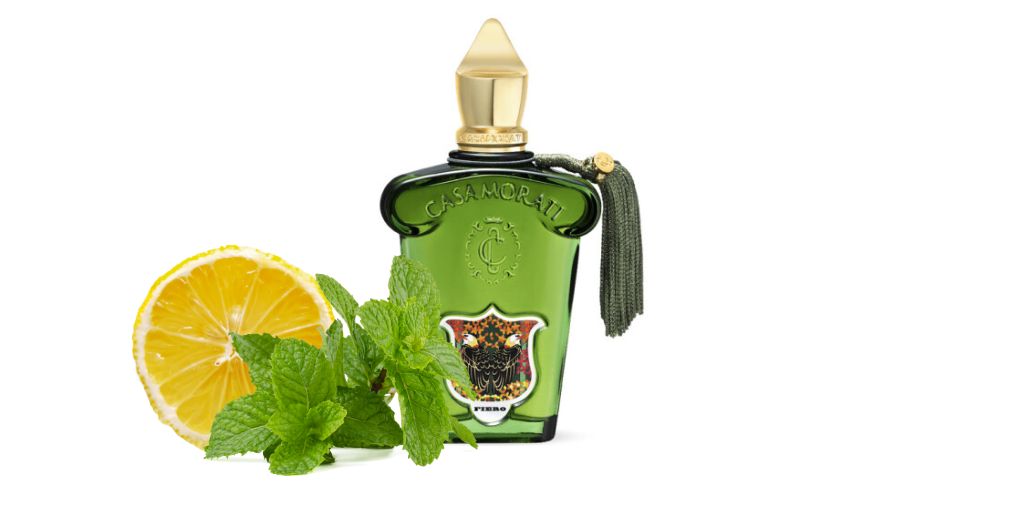
It starts ruthlessly with Calabrian bergamot—dry, bitter, with a shadow of spicy hay.
Then come the herbs: tarragon and thyme, parched by the wind.
Sandalwood smooths the scent, giving form to that which should have no form—freedom.
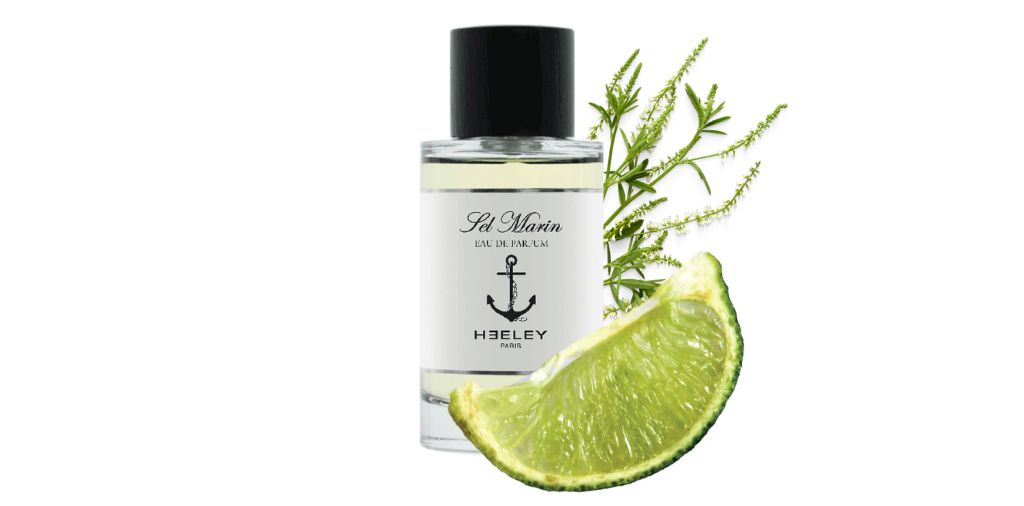
A wind over the sea.
Salty, dry, with the bitterness of bergamot and the shimmer of the sun.
This is the breath of the parched Italian coast.
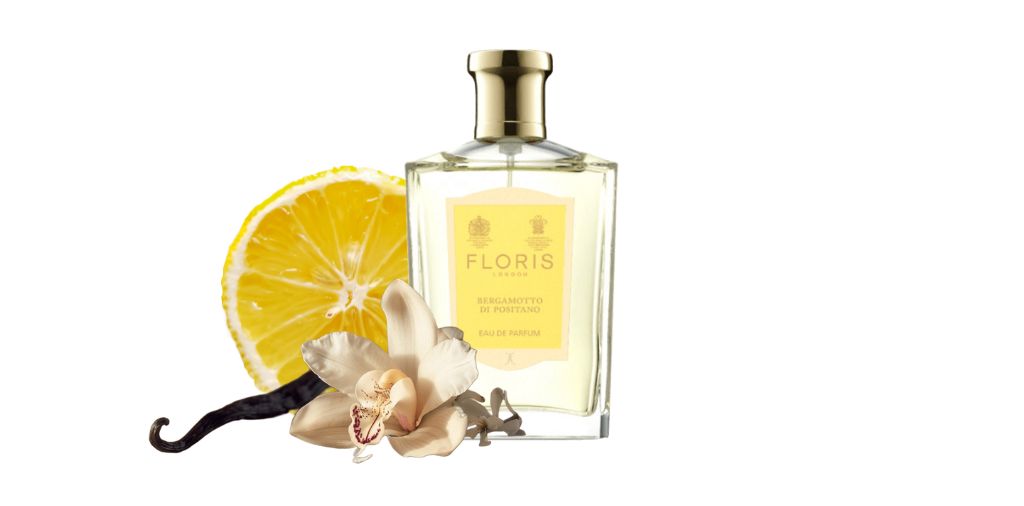
Metallic air and the salty shimmer of skin.
Ginger cuts with citrus sharpness, touching the earth, merging with its scent, reveling in its coldness.
Vanilla softens this touch—and the cold becomes beautiful.